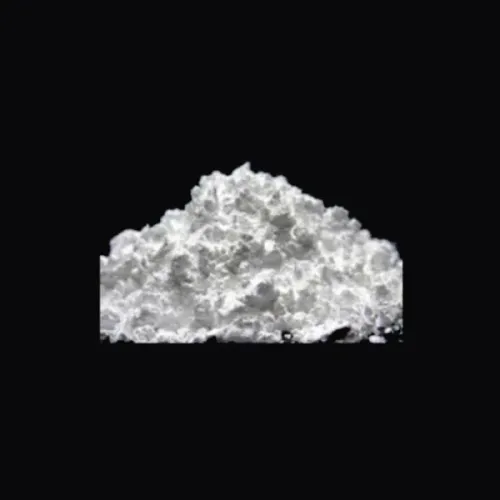
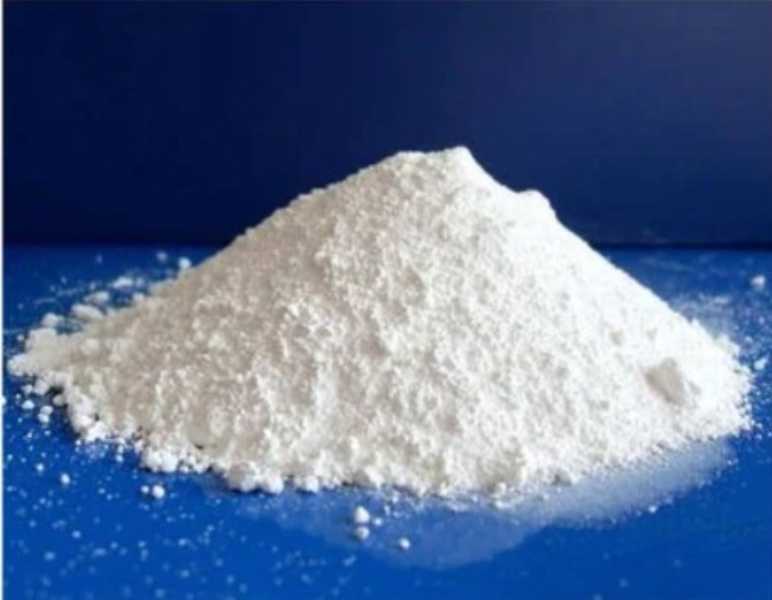
Zirconium Oxide Powder is an important inorganic material used in applications that demand heat resistance, durability, chemical stability, and specialised material properties. Also known as zirconia, it is relevant to industries ranging from advanced ceramics and refractories to coatings and engineered components.
For manufacturers in Vadodara and throughout Gujarat, selecting zirconium oxide should begin with the application rather than simply choosing a material based on price.
Where Is Zirconium Oxide Powder Used?
The properties of zirconium oxide make it suitable for several industrial environments. Depending on its grade and specification, applications may include:
- Technical and advanced ceramics
- Refractory products
- Thermal-resistant materials
- Specialty coatings
- Grinding and wear-resistant products
- Electronic and electrical ceramics
- Chemical-processing applications
- Engineered ceramic components
Its actual suitability depends on the grade, particle characteristics, purity, and process conditions.
Why Material Specifications Matter
Two zirconium oxide powders may appear similar but perform differently during manufacturing. Particle size distribution, chemical purity, surface characteristics, and impurities can influence mixing, sintering, dispersion, and final-product performance.
This makes technical evaluation particularly important when zirconium oxide becomes a functional part of a formulation rather than simply a bulk filler.
Manufacturers should define what the powder is expected to achieve. Is high-temperature performance the priority? Is controlled particle behaviour important? Does the formulation require a specific purity level? Answering these questions helps narrow the appropriate specification.
Storage and Handling Considerations
Powdered industrial materials should be stored according to their specified handling requirements. Exposure to unsuitable storage conditions may affect material quality or create unnecessary handling challenges.
Procurement teams should review packaging integrity, storage guidance, safety documentation, and recommended handling procedures. Workers dealing with industrial powders should also follow the relevant workplace safety measures and the product's safety data.
Evaluating a Consistent Supply
For businesses operating continuous production lines, raw-material consistency can be as important as initial sample performance.
Before establishing routine procurement, buyers can evaluate:
- Product specifications
- Certificate or quality documentation requirements
- Packaging options
- Batch-to-batch consistency
- Supply quantities
- Lead times
- Technical communication
- Suitability for the intended manufacturing process
Vadodara's position within Gujarat's chemical and engineering network gives regional manufacturers access to an established industrial supply ecosystem. Local and regional sourcing can also simplify technical discussions and procurement planning where dependable supply schedules are required.
Kadara Chemicals supplies specialty industrial chemicals in Vadodara, including zirconium materials for relevant manufacturing requirements. Technical and procurement teams can use clearly defined application parameters when discussing the appropriate material.
Zirconium oxide is not a one-specification-fits-all product. Understanding purity, powder characteristics, processing requirements, and end-use expectations is the practical way to identify a suitable grade and achieve reliable results in industrial production.