Ceramic and refractory manufacturers depend on raw materials that can deliver repeatable performance across production batches. Zirconium Silicate Powder is widely relevant to these sectors, but selecting an appropriate product requires attention to more than availability and purchase price.
For manufacturers in Vadodara and Gujarat's wider ceramic and industrial market, evaluating the material against actual processing requirements can prevent costly mismatches.
Start With the End Application
The first question should be straightforward: where will the zirconium silicate be used?
Applications can differ considerably, including ceramic formulations, glazes, refractories, specialised materials, and other industrial products. Each use may require different physical or chemical characteristics.
A buyer sourcing material for a ceramic formulation, for instance, may have requirements that differ from a manufacturer using zirconium silicate in another industrial process.
Check the Technical Specification
Procurement teams should obtain and evaluate relevant specifications before approving a material.
Key considerations can include:
- Chemical composition
- Zirconium content or applicable assay
- Particle-size characteristics
- Impurity limits
- Moisture
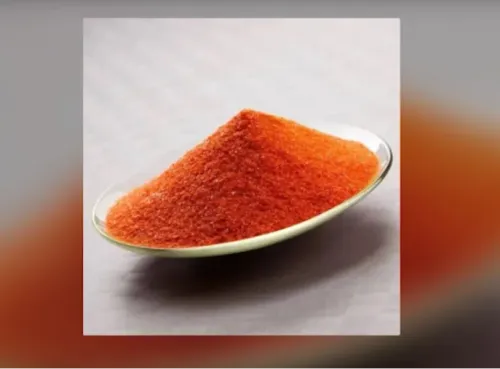
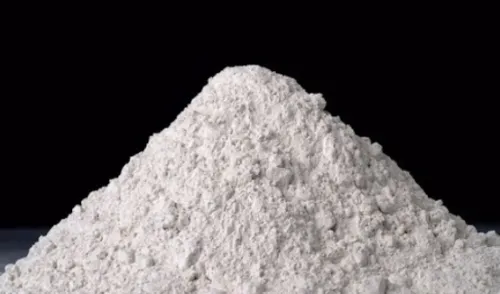
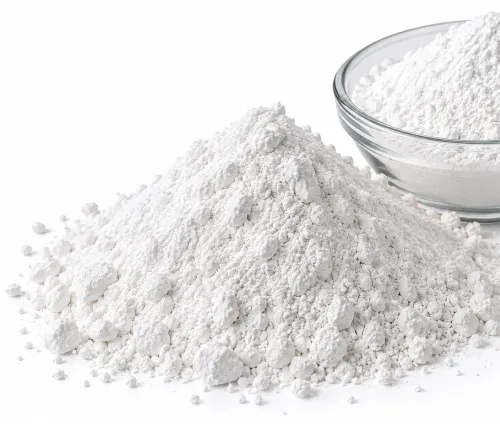
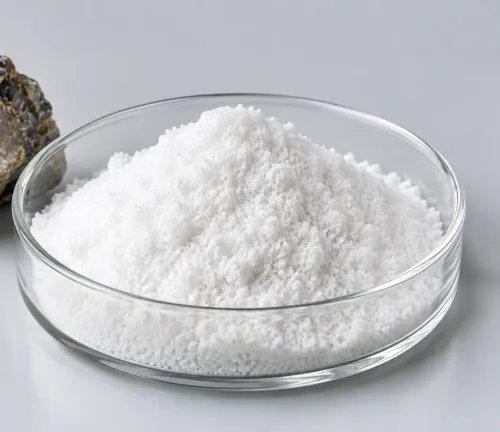
- Physical appearance
- Application compatibility
Not every parameter carries equal importance in every process. Technical teams should identify the characteristics that directly affect their finished product.
Consider Processing Behaviour
Raw-material selection is closely connected with plant performance.
A powder that does not disperse, mix, or process as expected can increase production adjustments even when its basic specification appears acceptable. Trial evaluation can therefore be useful for manufacturers introducing a new supplier or changing an established formulation.
Production teams should document the results of such evaluations so future purchasing decisions are based on measurable performance rather than assumptions.
Look Beyond the Quoted Price
Price per kilogram is easy to compare, but total manufacturing impact is more important.
Consider whether a material provides:
- Reliable specification consistency
- Suitable packaging
- Predictable availability
- Appropriate documentation
- Compatibility with the existing process
- Manageable storage and handling
An apparently cheaper material can become expensive if it contributes to excessive process adjustments, waste, or finished-product variation.
Assess Supply Readiness
Manufacturers with recurring demand should also discuss supply capacity and lead times. This becomes especially important when raw-material consumption is linked to continuous production.
Vadodara benefits from its position in Gujarat's established chemical and manufacturing corridor. Buyers in the region may value suppliers capable of communicating technical and commercial requirements clearly and supporting planned industrial procurement.
Kadara Chemicals supplies zirconium and specialty chemical products from Vadodara for relevant industrial applications. Buyers evaluating zirconium silicate powder can provide expected quantity, application, required specification, and packaging preferences when making an enquiry.
A structured buying process ultimately reduces uncertainty. When zirconium silicate is assessed on specification, processing behaviour, consistency, and supply requirements not price alone,manufacturers are better positioned to select material that fits their production needs.
Keywords