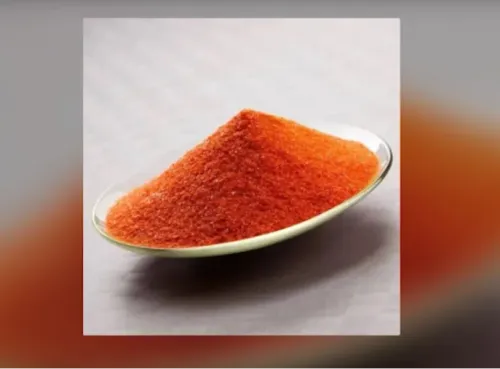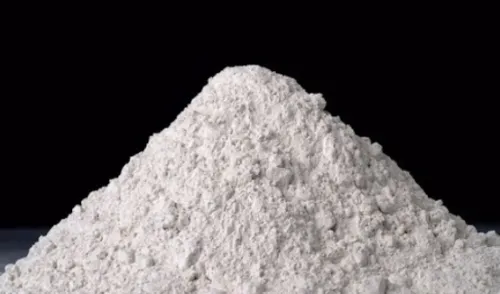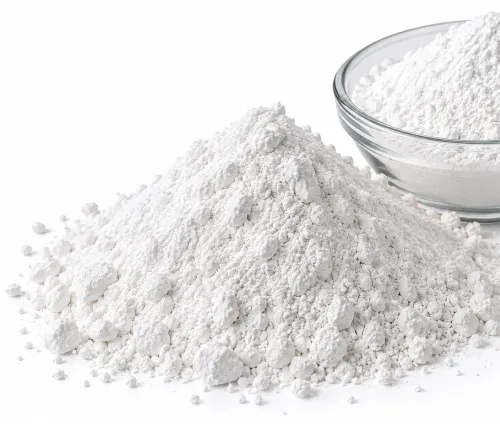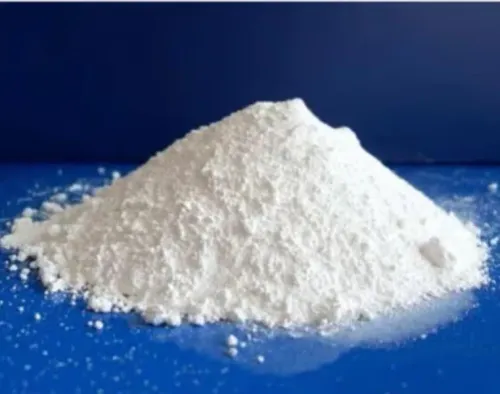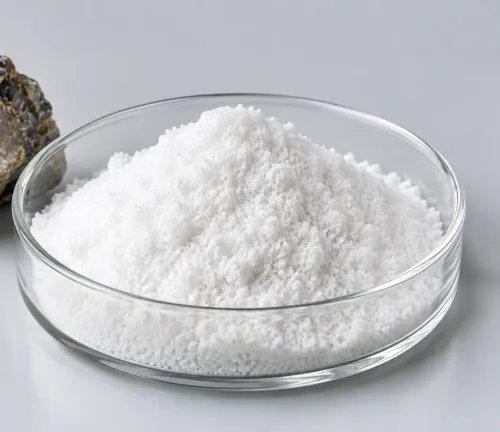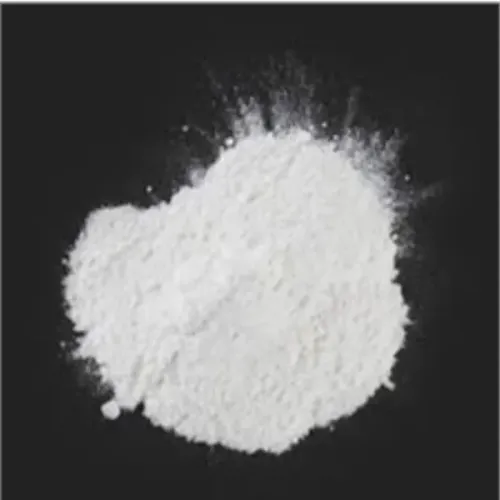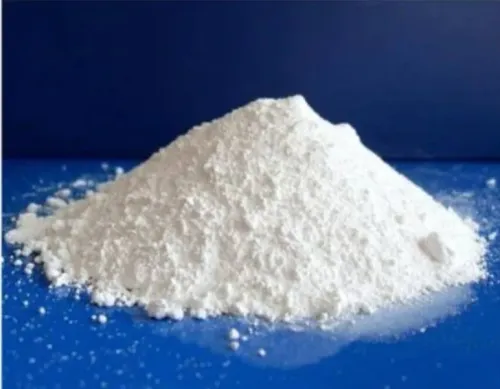
Boric Acid Powder and borax are both boron-containing compounds, but they differ in chemical behaviour, alkalinity and industrial use. Kadara Chemicals helps manufacturers in Vadodara understand these distinctions before selecting a material for glass, ceramics, chemical formulations or other production processes.
Confusing boric acid with borax can alter the pH, solubility and performance of a formulation. The correct choice depends on the function the boron compound must perform.
What Is Boric Acid Powder?
Boric acid is a weak boron-containing acid generally supplied as a white crystalline powder. It has relatively mild acidic behaviour and is used in controlled industrial applications where boron content, buffering characteristics or thermal behaviour is relevant.
Depending on the grade and applicable regulations, boric acid may be used in:
- Borosilicate glass production
- Ceramic glazes and enamels
- Flame-retardant systems
- Metallurgical formulations
- Chemical synthesis
- Wood-treatment products
- Laboratory preparations
- Selected industrial adhesives and coatings
The material must always be matched with the technical and regulatory requirements of the intended application.
How Is Borax Different?
Borax is a sodium borate rather than boric acid. It generally creates a more alkaline solution in water and also contributes sodium to the formulation. These differences can be significant in processes sensitive to pH or sodium content.
Borax is commonly associated with detergents, fluxes, glass, ceramics and buffering applications. Boric acid may be preferred where a mildly acidic boron source is more suitable or where additional sodium is undesirable.
Boric Acid Powder or Borax: Key Selection Factors
Effect on pH
Boric acid behaves as a weak acid, while borax produces a more alkaline solution. If the process operates within a narrow pH range, substituting one for the other can affect reaction control, product stability or the performance of other ingredients.
Sodium Contribution
Borax introduces sodium ions. This may be acceptable in many formulations but problematic in processes requiring low sodium levels. Boric acid can provide boron without adding sodium through the same compound.
Solubility
Both materials are water-soluble to different degrees, and their dissolution behaviour changes with temperature. Manufacturers should verify solubility under actual batch conditions instead of assuming that equal quantities will dissolve identically.
Thermal Behaviour
Glass, ceramic and metallurgical processes often select boron compounds partly for their behaviour during heating. The raw material can influence melting characteristics, fluxing and the chemistry of the finished product.
Required Dosage
Boric acid and borax have different molecular compositions and boron contents. A direct one-to-one weight substitution is generally unsuitable. Any conversion should be calculated and confirmed through process trials.
Evaluating Boric Acid Powder in Vadodara
Manufacturers purchasing Boric Acid Powder in Vadodara should consider the assay, boron content, particle size, moisture and impurity profile. Fine powder may dissolve or disperse efficiently, but it also requires better dust control during transfer.
Useful procurement checks include:
- Confirming the required industrial grade
- Reviewing the certificate of analysis
- Checking particle-size consistency
- Assessing packaging for moisture protection
- Testing a sample in the existing formulation
- Verifying regulatory suitability for the intended use
Handling and Storage
Boric Acid Powder should be stored in closed packaging in a dry, clean area. Dust generation should be minimised during weighing and charging. Workers must use protective equipment and handling controls specified in the current safety data sheet.
Kadara Chemicals supplies boron-based industrial materials with attention to application requirements and batch documentation. Buyers can discuss their process conditions before deciding between boric acid and an alternative borate.
The correct material is the one that delivers the required boron content without creating unwanted changes in pH, sodium level or processing behaviour. A small formulation trial can prevent a costly substitution error at production scale.
Keywords