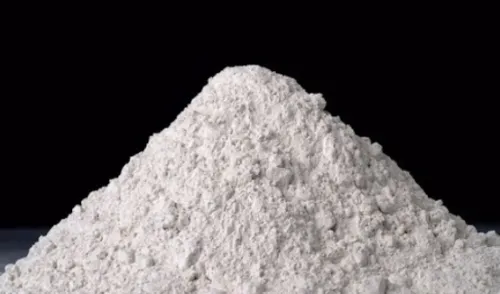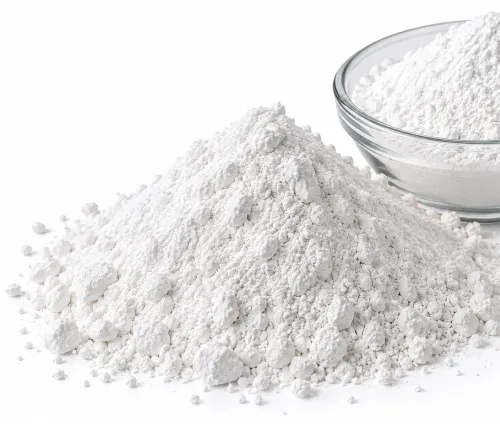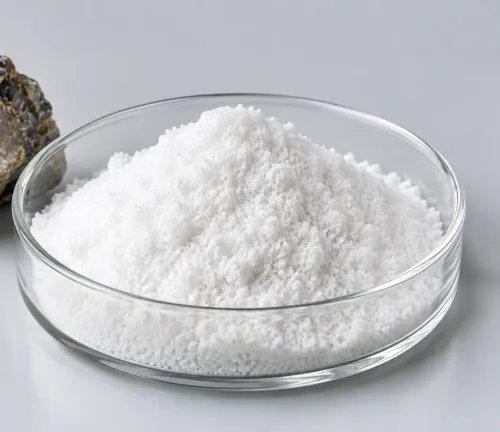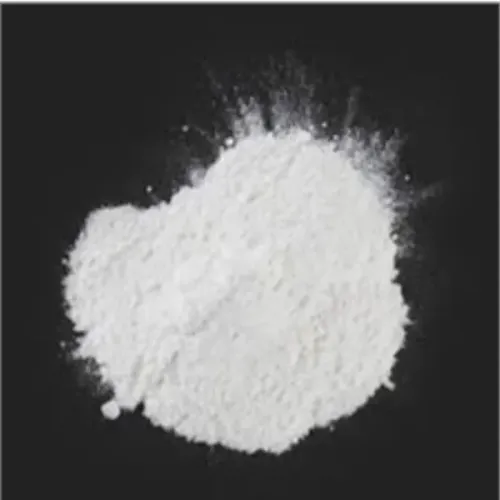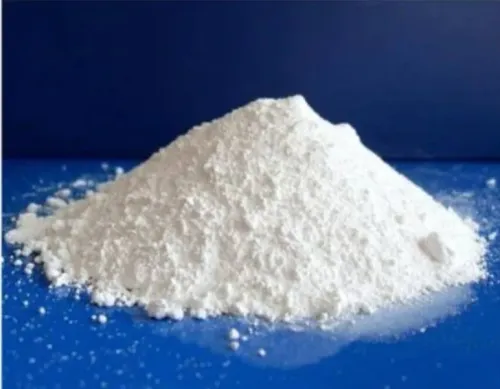
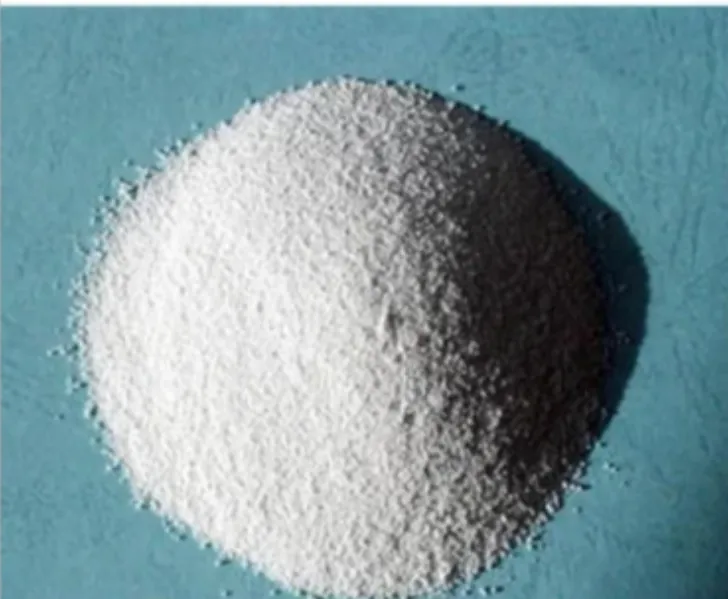
Calcium Chloride Powder is valued for one particularly useful characteristic: it attracts and retains moisture. This hygroscopic behaviour allows it to support applications ranging from humidity control and drying to construction and industrial processing.
Its effectiveness, however, depends on product purity, concentration, particle condition and storage. Businesses purchasing Calcium Chloride Powder in Vadodara should understand how quickly the material can absorb moisture from the surrounding air. Improper handling may turn a free-flowing powder into a damp or compacted mass before it reaches production.
Why Does Calcium Chloride Absorb Moisture?
Calcium chloride has a strong affinity for water. When exposed to humid air, it absorbs water vapour and can eventually dissolve in the absorbed moisture. This property is known as deliquescence.
The behaviour is beneficial when calcium chloride is intentionally used as a drying or moisture-control material. It becomes a problem when bags are left open, packaging is damaged or the product is stored in a humid area without adequate protection.
Common Industrial Applications
The grade and form required will vary according to the intended use. Typical applications include:
- Moisture absorption in controlled industrial environments
- Preparation of brines
- Construction-related formulations
- Dust-control applications
- Process water treatment
- Refrigeration and heat-transfer systems
- Drying of certain gases or materials
- Formulations requiring a soluble calcium source
Calcium chloride dissolves readily in water, and the dissolution process releases heat. This heat generation must be considered when preparing solutions, particularly at larger production volumes.
Use in Construction
In suitable construction applications, calcium chloride may be used where accelerated setting or early strength development is required. Its use is not appropriate for every concrete system, especially where chloride content could affect embedded metal or conflict with a project specification.
Construction companies should therefore avoid adding it to a mixture without technical evaluation. The formulation, reinforcement, exposure conditions and applicable standards must all be reviewed before use.
Role in Brines and Refrigeration
Calcium chloride solutions can remain liquid at temperatures below the normal freezing point of water. This makes properly prepared brines useful as secondary coolants and heat-transfer fluids in certain refrigeration systems.
The concentration needs to be controlled carefully. An incorrectly prepared solution may provide inadequate freeze protection, while excessive concentration can increase viscosity and reduce pumping efficiency. Equipment compatibility and corrosion management must also be considered.
Safe Solution Preparation
Because calcium chloride generates heat when mixed with water, it should be added gradually to an adequate quantity of water with controlled agitation. Water should not be poured suddenly onto a large mass of powder.
A sensible preparation procedure includes:
- Confirming the required final concentration
- Using a clean and compatible mixing vessel
- Beginning with the specified quantity of water
- Adding the powder slowly while mixing
- Monitoring the temperature of the solution
- Allowing the mixture to cool before transfer or use
Protective gloves, eye protection and suitable workwear should be used according to the safety data sheet.
Storage in Vadodara’s Seasonal Climate
Vadodara experiences periods of high humidity, particularly during the monsoon. Moisture-resistant packaging and covered storage are therefore essential. Bags should be kept on pallets, away from wet walls and floors, and closed immediately after partial use.
Kadara Chemicals supplies industrial chemical materials for manufacturers and process users in Vadodara, Gujarat. When evaluating Calcium Chloride Powder, buyers should review the assay, insoluble matter, moisture condition, packaging integrity and supporting documentation.
Correctly selected and stored calcium chloride can perform reliably across several applications. Most avoidable problems arise not from the material itself but from exposure to humidity, uncontrolled dilution or use without checking process compatibility.
Keywords