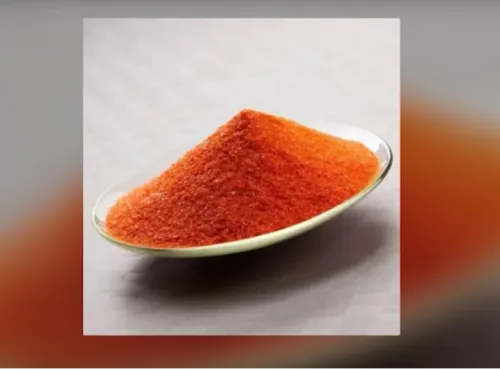
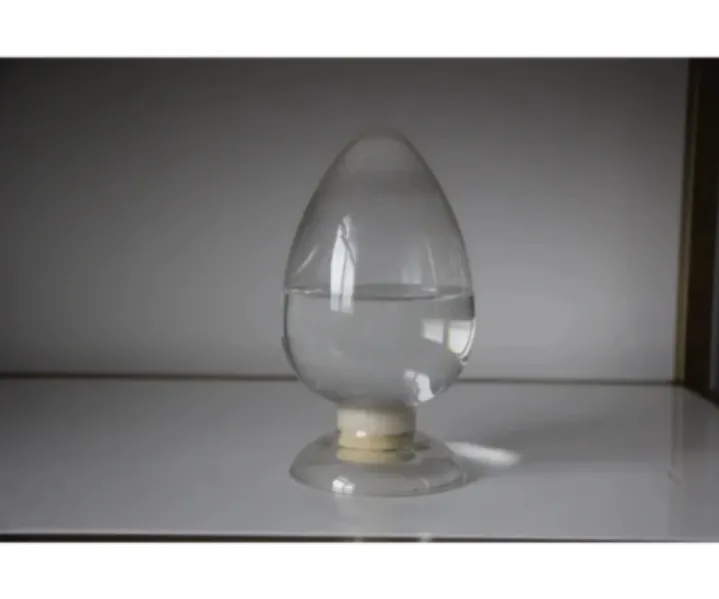
Raney Nickel Catalyst Liquid is used in hydrogenation and other catalytic reactions across chemical, pharmaceutical and speciality manufacturing. Kadara Chemicals assists industrial buyers in Vadodara with evaluating catalyst concentration, activity, liquid medium, packaging and process compatibility before procurement.
This catalyst requires particularly controlled handling. Raney nickel is typically maintained under a protective liquid because dry material can present a serious ignition hazard. Selection and use should therefore be managed by trained technical teams with suitable equipment and documented safety procedures.
What Is Raney Nickel Catalyst?
Raney nickel is a porous nickel-based catalyst. It is generally prepared from a nickel-aluminium alloy, followed by treatment that removes much of the aluminium and creates a high-surface-area structure.
This porous structure provides catalytic activity for selected reactions. Commercial material may be supplied as a slurry under water or another specified liquid medium. Buyers should confirm the exact composition rather than assuming that all liquid Raney nickel products are identical.
Where Is It Used?
Raney Nickel Catalyst Liquid is commonly associated with hydrogenation, reduction and related chemical transformations. Depending on the process, it may support the conversion of unsaturated compounds or the reduction of certain functional groups.
Applications can be found in:
- Pharmaceutical intermediate production
- Fine and speciality chemical manufacturing
- Agrochemical intermediates
- Hydrogenation of organic compounds
- Solvent and chemical purification processes
- Production of selected flavours, fragrances or additives
Actual suitability depends on the reactant, solvent, temperature, pressure and required selectivity.
Activity Is More Important Than Appearance
Two catalyst batches may look similar while performing differently. Catalyst activity can be influenced by surface area, residual aluminium, particle condition, preparation route and storage history.
A technical evaluation should consider:
- Nickel content
- Residual aluminium level
- Catalyst concentration in the slurry
- Protective liquid or suspension medium
- Activity test method
- Particle-size characteristics
- Filtration behaviour
- Batch manufacturing and testing date
Manufacturers should compare activity using a test relevant to their own reaction wherever possible. A general activity value may not fully predict performance in a different substrate or solvent system.
Process Compatibility Checks
Before a new catalyst is introduced into commercial production, a controlled laboratory or pilot trial should be completed. The trial can help determine reaction time, catalyst loading, selectivity and filtration requirements.
Teams should evaluate whether the catalyst:
- Reaches the desired conversion rate
- Creates unwanted by-products
- Maintains selectivity
- Can be filtered efficiently
- Is compatible with the selected solvent
- Performs under the intended pressure and temperature
- Requires changes to agitation or charging methods
Spent catalyst handling and recovery must also be planned before production begins.
Safety Expectations for Vadodara Industries
Chemical and pharmaceutical units in Vadodara operate within a significant industrial ecosystem, making safe catalyst management essential. Raney nickel should remain covered by its specified liquid medium and must not be allowed to dry.
Containers should be kept closed and handled in a controlled area away from incompatible chemicals. Charging, filtration and waste handling procedures should be based on a formal risk assessment and the supplier’s safety data sheet. Appropriate fire-control provisions and trained personnel are necessary.
Selecting a Suitable Source
A reliable Raney Nickel Catalyst Liquid manufacturer or supplier should provide clear batch documentation, catalyst concentration and handling instructions. Packaging must protect the slurry from leakage, contamination and accidental drying.
Kadara Chemicals works with industrial users who require application-specific chemical materials in Vadodara. Providing reaction details and required performance parameters helps the company identify the most relevant catalyst specification.
Catalyst cost should be assessed against conversion, selectivity, reaction time and recovery—not price per kilogram alone. A catalyst that reduces processing time or unwanted by-products may offer better production value even when its initial purchase price is higher.
Keywords