Sodium Lauryl Ether Sulphate, commonly known as SLES, is an anionic surfactant widely used in personal care, home care and institutional cleaning formulations. Its ability to produce foam, remove oily residues and blend with other formulation ingredients makes it a practical choice for manufacturers developing liquid cleaning products.
For buyers and formulation teams in Vadodara and other industrial regions of Gujarat, understanding the concentration, physical form and compatibility of SLES is important. Selecting material solely on price can result in inconsistent viscosity, poor foam performance or difficulties during batch processing.
What Is SLES?
SLES is produced by ethoxylating a fatty alcohol and subsequently converting it into a sulphate salt. The ethoxylation process generally gives SLES better mildness and formulation flexibility than some harsher cleansing surfactants.
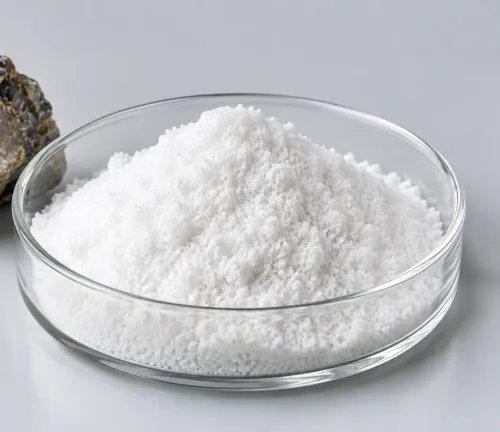
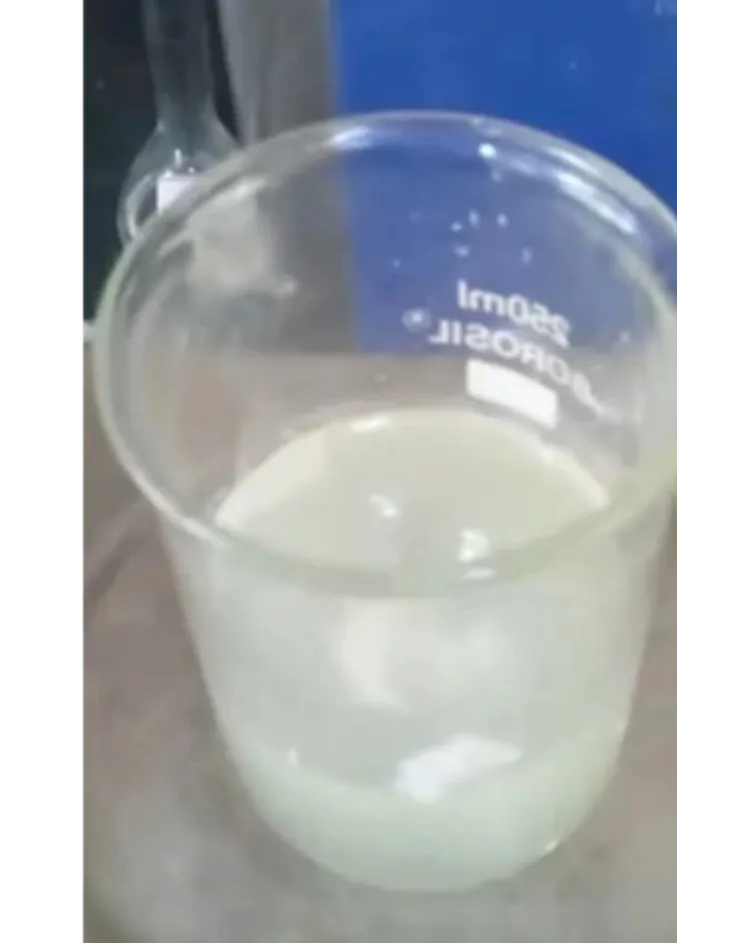
Commercial SLES is commonly supplied as a viscous liquid or paste. The exact appearance may vary from colourless or pale yellow to a slightly cloudy material, depending on its grade and concentration.
Its main functional properties include:
- Effective detergency and cleansing
- Stable foam generation
- Emulsification of oils and greasy soils
- Compatibility with several co-surfactants
- Ease of incorporation into liquid formulations
- Support for viscosity adjustment in properly designed systems
Where Is Sodium Lauryl Ether Sulphate Used?
The most familiar applications of SLES are found in cleansing and washing products. However, its suitability depends on the complete formulation rather than the surfactant alone.
Personal Care Formulations
SLES is frequently used in shampoos, body washes, hand washes and facial-cleansing products. Formulators often combine it with amphoteric or non-ionic surfactants to modify foam texture, improve mildness and achieve the required viscosity.
Household Cleaning Products
Dishwashing liquids, floor cleaners, vehicle shampoos and general-purpose liquid detergents may use SLES as a primary or supporting surfactant. Its ability to disperse oily dirt is valuable in products designed for regular domestic cleaning.
Institutional and Industrial Cleaners
SLES may also be incorporated into commercial cleaning products where controlled foaming and dependable detergency are required. The actual concentration must be selected according to the type of soil, cleaning method and rinsing conditions.
Understanding Commercial Grades
SLES should not be treated as a single uniform product. Buyers may encounter differences in active matter, viscosity, colour and salt content. A concentrated grade can reduce transportation and storage volume, but it may require suitable handling and dilution equipment.
Before approving a grade, procurement and production teams should review:
- Active matter percentage
- Physical appearance
- pH specification
- Unsulphated matter
- Sodium sulphate content
- Colour value
- Viscosity or flow characteristics
- Recommended storage conditions
A batch sample should be evaluated in the intended formulation because a material that meets a general specification may still behave differently when combined with fragrances, salts, thickeners or other surfactants.
Handling and Storage Considerations
SLES should be stored in properly closed containers and protected from contamination. Exposure to unsuitable temperatures may affect its viscosity and make pumping or transfer more difficult. Manufacturers should follow the supplier’s safety data sheet and use appropriate protective equipment during handling.
Kadara Chemicals supports industrial customers seeking Sodium Lauryl Ether Sulphate in Vadodara with application-relevant product information. For local manufacturers, consistent documentation and dependable batch quality can be just as important as the basic chemical specification.
A technically suitable SLES grade helps improve processing stability, product appearance and cleansing performance. Careful evaluation at the purchasing stage therefore reduces the risk of unnecessary reformulation or production delays.
Keywords