Zirconium compounds are used across industries where thermal stability, chemical resistance, surface performance, and material consistency are important. From ceramics and refractories to catalysts, coatings, pigments, and specialty formulations, Zirconium Based Chemicals provide properties that make them valuable for demanding manufacturing processes.
For industrial buyers in Vadodara and other manufacturing centres across Gujarat, understanding the differences between zirconium compounds is important before selecting a material for production.
What Are Zirconium Based Chemicals?
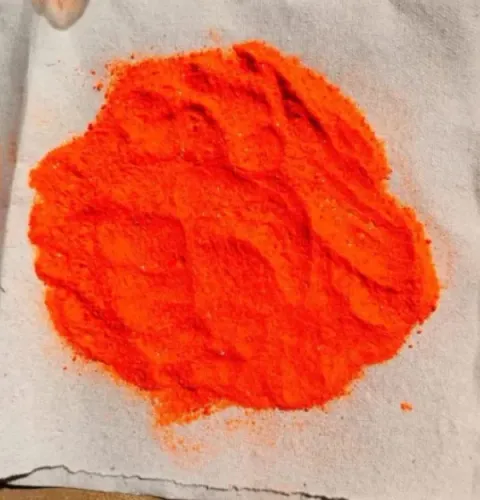
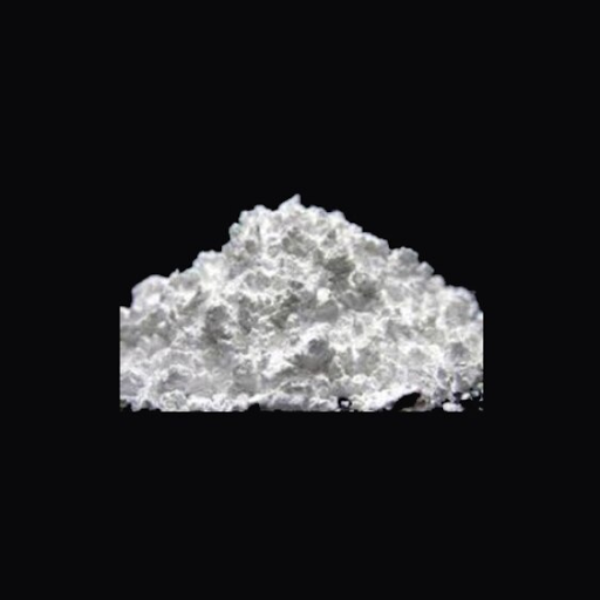
Zirconium based chemicals are compounds derived from zirconium and processed into forms suitable for specific industrial applications. Depending on the chemical composition and manufacturing process, they may be supplied as powders, salts, hydroxides, carbonates, oxides, or other specialty compounds.
Common zirconium compounds include:
- Zirconium oxide
- Zirconium carbonate
- Zirconium oxychloride
- Zirconium silicate
- Zirconium hydroxide
Although these products share zirconium as a core element, they should not be treated as interchangeable materials. Each compound has different physical and chemical characteristics.
Why Industries Use Zirconium Compounds
One of the main reasons zirconium chemistry is important is its versatility. Different zirconium compounds can support high-temperature applications, ceramic production, chemical processing, surface treatment, catalyst preparation, and advanced material manufacturing.
Zirconium oxide, for example, is valued in applications requiring thermal and mechanical performance. Zirconium silicate is widely associated with ceramic and refractory applications. Other zirconium salts and intermediates may be used in catalysts, coatings, chemical synthesis, and specialty formulations.
The appropriate material depends on factors such as purity, particle characteristics, chemical composition, processing temperature, and compatibility with other ingredients.
What Industrial Buyers Should Evaluate
Selecting a zirconium chemical requires more than matching a product name with an application. Procurement and technical teams should establish clear specifications before sourcing.
Important considerations include:
- Required chemical purity
- Particle size or powder characteristics
- Moisture requirements
- Application-specific performance
- Packaging and storage requirements
- Batch consistency
- Required technical documentation
A material that performs effectively in one formulation may not necessarily be appropriate for another process.
Importance of Consistent Material Quality
Industrial production depends heavily on repeatability. Variations in raw-material composition or physical properties can affect processing behaviour and finished-product performance.
Manufacturers therefore benefit from evaluating technical specifications and discussing application requirements with the chemical supplier before moving from sample quantities to regular procurement.
Vadodara has a strong chemical and industrial ecosystem, while Gujarat serves manufacturers across ceramics, engineering, specialty chemicals, coatings, pharmaceuticals, and related sectors. This creates ongoing demand for well-defined specialty raw materials.
Kadara Chemicals serves this industrial context with a portfolio that includes zirconium compounds and other specialty chemicals. Buyers evaluating these products should identify their intended application, required specification, expected consumption, and packaging needs before finalising procurement.
Understanding the function of each zirconium compound makes material selection more precise and helps manufacturers build more consistent production processes.